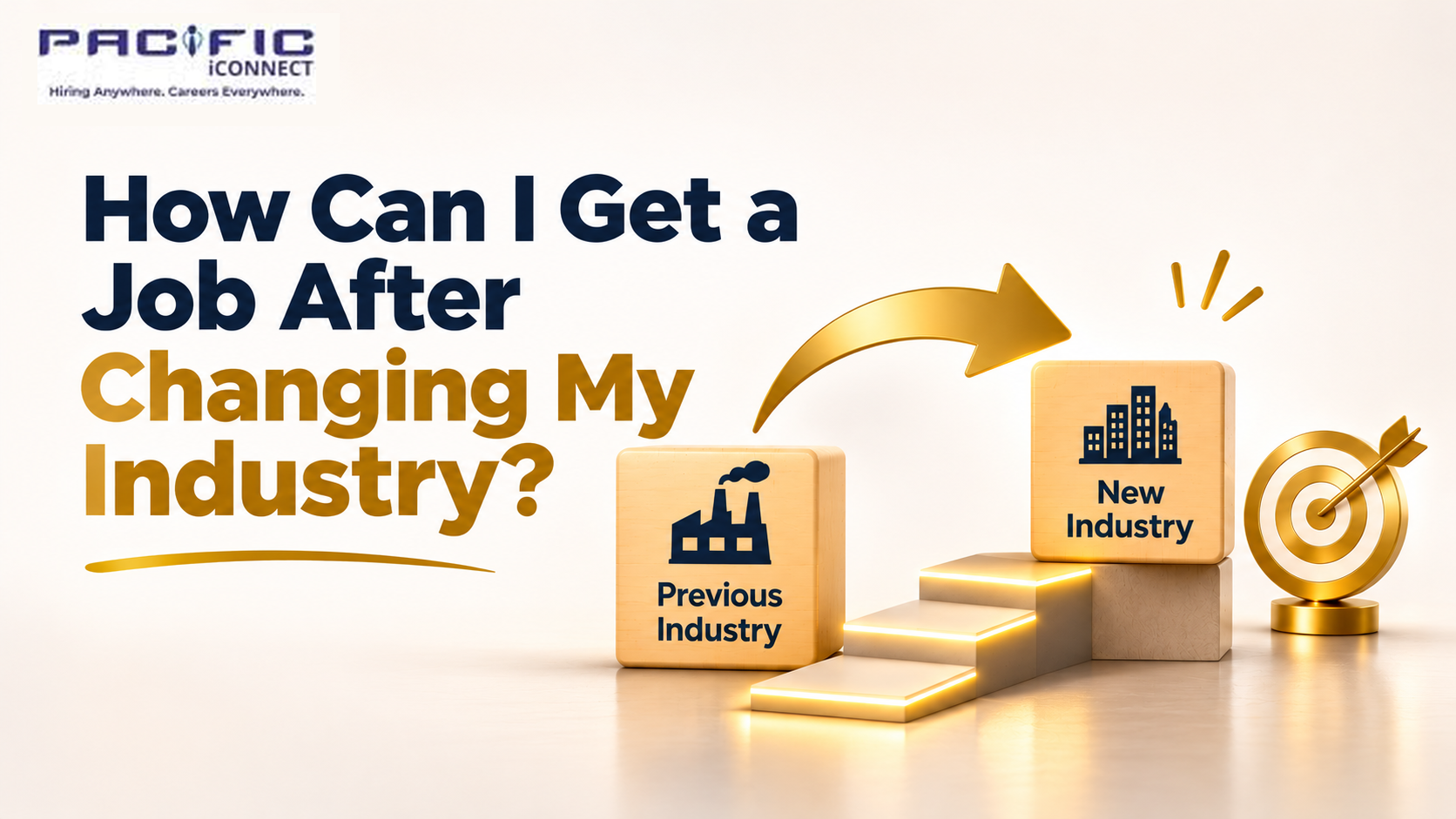
Changing your industry can be an exciting step, but finding a job in a completely different field may feel challenging. You might have several years of professional experience, but recruiters may wonder whether your previous skills are relevant to the new role. You may also be unsure about which qualifications to highlight, what additional skills to learn or how to explain your career transition during an interview.
The good news is that changing industries does not always mean starting your career from zero. Many professional skills, such as communication, problem-solving, project coordination, customer handling and time management, can be useful across different sectors.
If you are a job seeker planning to move into a new industry, the key is to understand what employers in your target field expect and show how your existing experience can contribute.
Here are some practical steps to help you find a job after changing your industry in India.
1. Understand Why You Want to Change Industries
Before applying for jobs, identify why you want to move into another industry.
Your reason could be:
- Better career growth opportunities
- Interest in a different professional field
- Changes in your current industry
- Desire to learn new skills
- Preference for a different type of work
- Personal or professional goals
For example, someone working in retail may want to move into customer relationship management. A person with an administrative background may be interested in human resources or recruitment.
Understanding your reason will help you choose a suitable career direction instead of applying randomly to unrelated vacancies.
2. Identify Your Transferable Skills
Transferable skills are abilities you have developed through previous jobs, education, projects or other professional activities that can also be useful in a different industry.
These skills can help you demonstrate your value even if you do not have direct experience in your new field.
Here are some examples:
Previous industry
Possible new industry
Transferable skills
Retail
Customer Support
Customer handling, communication, problem-solving
Banking
Administration
Documentation, accuracy, client coordination
Hospitality
Human Resources
Communication, coordination, people management
Sales
Digital Marketing
Customer understanding, persuasion, market awareness
Education
Training and Development
Presentation, communication, learning support
Operations
Project Coordination
Planning, reporting, time management
These are possible career directions, not automatic job matches. Your actual suitability will depend on the responsibilities and requirements of the new role.
Make a list of your strongest skills and identify which ones are relevant to your preferred industry.
3. Research the Industry You Want to Enter
Before applying, understand how your target industry works.
Explore its common job roles, required qualifications, tools, responsibilities and current skill expectations.
For example, if you want to move into digital marketing, learn about:
- Search engine optimisation (SEO)
- Social media management
- Content marketing
- Digital advertising
- Website analytics
- Keyword research
If you are interested in human resources, explore:
- Recruitment processes
- Resume screening
- Interview coordination
- HR documentation
- Employee onboarding
- Basic HR operations
Read job descriptions from multiple companies to identify the skills that appear repeatedly.
This research will help you understand whether you can apply immediately or need additional preparation.
4. Learn the Skills Required in Your New Industry
Your previous experience may provide a strong foundation, but some roles require specific technical knowledge.
Identify the most important skill gaps and work on them before or while applying.
You can improve your knowledge through:
- Online courses
- Professional certifications
- Industry webinars
- Practical assignments
- Workshops
- Personal projects
- Internship opportunities
For example, if you are moving into accounting, you may need to refresh accounting software and Excel knowledge. If you want to enter digital marketing, practical experience with SEO tools and content planning may be useful.
5. Choose Job Roles That Match Your Existing Experience
One common mistake during an industry change is applying only for senior positions in the new field.
Even if you have several years of experience in your previous industry, you may not have the same level of specialised experience in your new one.
Consider roles that allow you to use your existing strengths while developing new industry knowledge.
For example:
- A sales professional may explore business development or customer relationship roles.
- An administrative professional may consider HR coordination or operations.
- A teacher may explore corporate training or learning coordination.
- A customer service professional may consider client success or support operations.
You may need to enter at a different level depending on the role's requirements. However, that does not mean your previous professional experience has no value.
6. Prepare a Resume for Your New Career Direction
Your existing resume may be written entirely around your previous industry. When changing fields, update it to highlight skills and achievements relevant to your new career.
A career-transition resume should include:
Professional summary: Explain your previous experience, transferable strengths and interest in the new field.
Relevant skills: Highlight abilities that match the target job description.
Previous experience: Describe responsibilities and achievements using language relevant to your new industry where accurate.
Certifications and training: Mention courses or qualifications that support your transition.
Projects: Include relevant practical assignments or personal projects that demonstrate your new knowledge.
For example, if you are moving from retail sales into customer support, highlight customer communication, complaint handling, problem-solving and service coordination.
Avoid changing your job title or claiming experience in a field where you have not worked. Present your previous experience honestly and show how it connects to your new career goal.
7. Build Practical Experience in the New Field
Sometimes, completing a course is not enough to demonstrate that you can perform a new role.
Practical work can help you build confidence and provide examples to discuss during interviews.
Depending on your chosen industry, consider:
- Personal projects
- Freelance assignments
- Internships
- Volunteer projects
- Short-term training assignments
- Practical case studies
For example, someone moving into content marketing could create sample blog articles and a content calendar. A person interested in data analysis could work on a small dataset and prepare a basic report.
Only include genuine projects in your resume and explain your actual contribution.
8. Use LinkedIn to Connect With Professionals
LinkedIn can help you understand your target industry and discover opportunities.
Start by updating your profile to reflect your career direction.
You can:
- Write a clear professional headline.
- Update your About section.
- Highlight transferable skills.
- Add relevant certifications and projects.
- Follow companies in your target industry.
- Connect with recruiters and professionals.
- Participate in relevant industry discussions.
You can also contact people who have already made a similar career transition. Their experiences may help you understand the challenges and skills involved.
Networking does not guarantee employment, but it can help you learn about roles and recruitment expectations.
9. Prepare to Explain Your Industry Change During Interviews
Recruiters may ask why you want to leave your current industry and enter a different one.
Prepare an honest answer that explains your interest and connects your previous experience with the new role.
For example:
"I have gained valuable experience in customer handling and communication through my previous work in retail. I am now interested in moving into customer support because I want to use these skills in a role focused on customer relationships and service operations. I have also started developing my knowledge of the responsibilities involved."
Avoid criticising your previous industry or giving the impression that you are applying without understanding the new role.
Show that your decision is thoughtful and that you have taken steps to prepare.
10. Search for Jobs Using Relevant Keywords
Do not search only for the exact job title you currently have.
Use job titles related to your new career direction and transferable skills.
For example, if you are moving from sales into business development, search for:
- Business Development Executive
- Client Relationship Executive
- Sales Coordinator
- Account Executive
- Customer Relationship Executive
You can explore vacancies through LinkedIn, Naukri, company career pages, the National Career Service and recruitment platforms.
The National Career Service also provides career information, job search facilities, career guidance and information about skill-development opportunities.
Use location and experience filters to identify suitable openings. Read each job description carefully before applying.
11. Be Flexible and Patient During the Transition
Moving into a new industry may take time. You may not receive interview calls immediately, especially if your resume does not clearly demonstrate how your previous skills relate to the new role.
If you are not getting responses:
- Review your resume against job descriptions.
- Improve your knowledge of the target industry.
- Add relevant practical projects.
- Apply for suitable entry-level or transition roles.
- Practise explaining your career change.
- Connect with professionals in the new field.
Do not measure your progress only by the number of applications submitted. Focus on whether you are becoming a stronger candidate for the roles you want.
How Can Pacific iConnect Help Job Seekers Exploring a New Industry?
When changing industries, it is important to present your professional background clearly and explore vacancies that match your current qualifications and skills.
Pacific iConnect is a recruitment platform that offers features to support job seekers, including:
- Build CV: Prepare your CV and highlight relevant experience, qualifications and transferable skills.
- Job Seeker Profile: Create a professional profile with your employment and skill details.
- Location-Based Job Search: Explore available job opportunities according to your preferred location.
You can use these features to organise your job search and explore available vacancies. Always review the eligibility, experience and skill requirements of each job listing before applying.
Visit the official website: https://www.pacificiconnect.com/
Final Thoughts
Changing industries can bring new opportunities, but it requires planning and preparation. Start by identifying your transferable skills, researching your target field and learning the knowledge required for your preferred roles.
Prepare a resume that connects your previous experience with your new career direction. Build practical knowledge, connect with professionals and apply for suitable vacancies.
As a job seeker changing industries, remember that you are not starting your professional journey from zero. Your previous experience can become a valuable foundation for your next career move when you present it in the right way.
Take the transition one step at a time, keep learning and stay focused on the opportunities that match your goals.