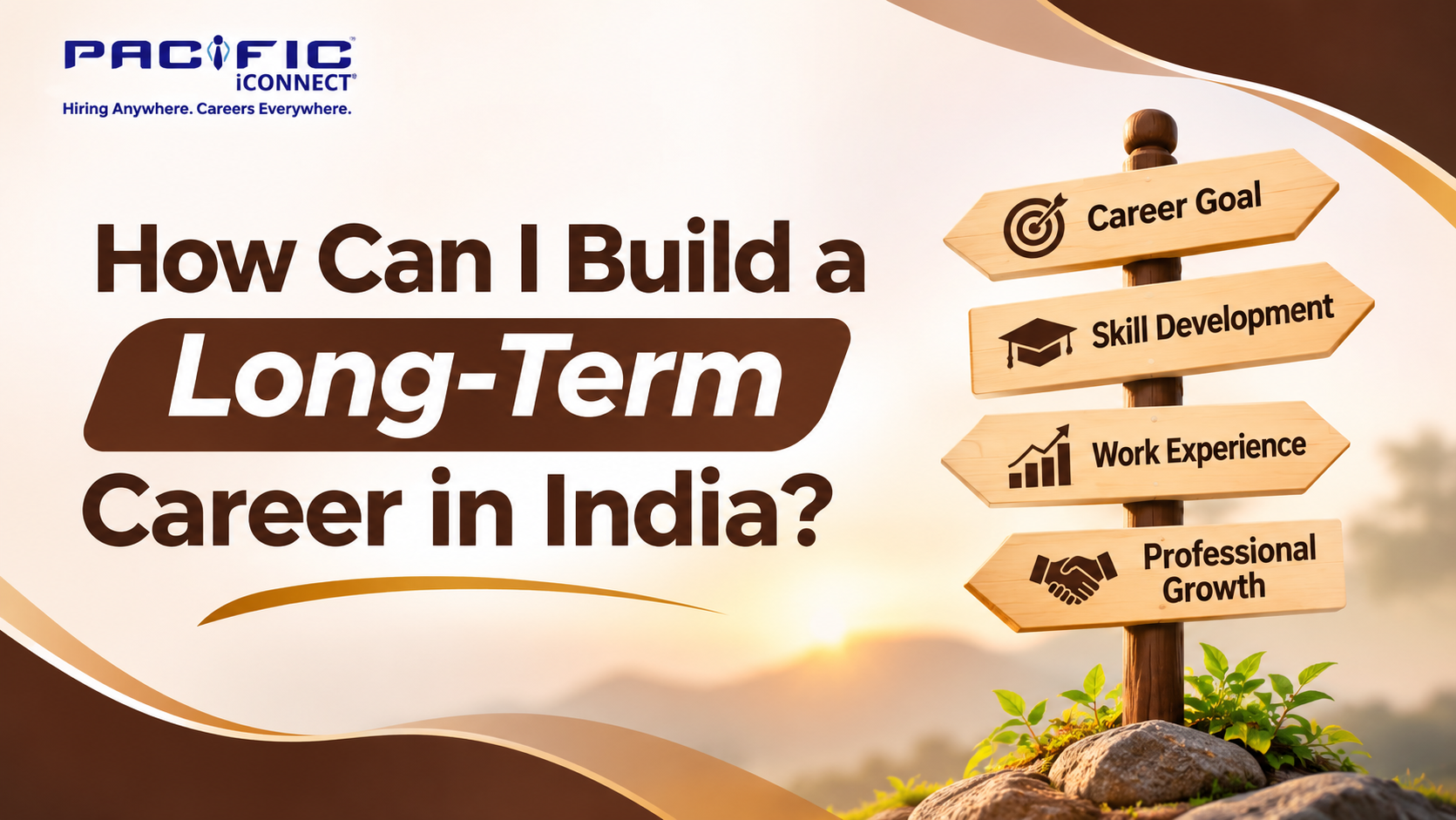
Building a long-term career is about more than finding a job and earning a monthly salary. It involves choosing a suitable direction, developing useful skills, gaining experience and making professional decisions that support your future goals.
For many people in India, career growth can bring several questions. Should you focus on salary or learning? Is changing jobs often a good decision? Which skills should you develop? How can you remain relevant as industries and workplace expectations change?
If you are a job seeker who wants to build a long-term career in India, it is important to think beyond your next job opportunity. You need a plan that helps you grow professionally while adapting to new opportunities and challenges.
Here are practical steps to help you build a sustainable career.
1. Understand Your Interests and Career Goals
The first step is to understand what kind of professional life you want to build.
Think about your interests, strengths, qualifications and the type of work you enjoy.
Ask yourself:
- Which industries interest me?
- What kind of responsibilities do I enjoy?
- Do I prefer working with people, technology, data or operations?
- What skills do I already have?
- Where would I like to see myself in the next three to five years?
For example, someone interested in communication may explore sales, customer support, human resources or public relations. Someone who enjoys working with numbers may consider accounting, finance or data-related roles.
You do not need to decide your entire career immediately. Start with a realistic direction and review your goals as you gain experience.
2. Choose a Career Path With Room to Grow
Before choosing a job, understand whether the role offers opportunities to learn and take on greater responsibilities.
Research the industry and explore possible career paths.
For example:
Starting role
Possible future career direction
Customer Support Executive
Senior Executive, Team Leader, Customer Success Manager
HR Assistant
HR Executive, HR Generalist, HR Manager
Digital Marketing Executive
SEO Specialist, Performance Marketer, Marketing Manager
Accounts Assistant
Accountant, Senior Accountant, Finance Executive
Sales Executive
Senior Sales Executive, Business Development Manager
Operations Executive
Operations Manager, Process Manager
These are illustrative career paths. Actual progression depends on performance, qualifications, industry requirements and available opportunities.
When evaluating a job, consider not only the starting salary but also the responsibilities, learning opportunities and possible future direction.
3. Develop Skills That Employers Need
A long-term career requires continuous skill development.
The skills required in your chosen industry may change over time. Therefore, you should regularly review job descriptions and understand what employers expect from candidates.
Some useful professional skills include:
Communication: Express ideas clearly, interact with colleagues and handle professional conversations.
Problem-solving: Understand workplace challenges and identify practical solutions.
Digital skills: Become comfortable with relevant software, online tools and workplace technology.
Time management: Prioritise tasks, manage deadlines and organise responsibilities.
Teamwork: Coordinate with colleagues and contribute to shared goals.
Technical knowledge: Develop industry-specific skills according to your career direction.
For example, a person working in digital marketing may need knowledge of SEO, social media, content planning and analytics. Someone in accounting may need Excel, accounting software and financial documentation skills.
Focus on learning skills that are relevant to your preferred roles rather than collecting certificates without a clear purpose.
4. Make Continuous Learning Part of Your Routine
Completing your education does not mean that learning has to stop.
New tools, technologies, business processes and professional expectations can influence how people work.
You can continue learning through:
- Online courses.
- Professional certifications.
- Workshops and webinars.
- Industry-related books and articles.
- Practical assignments.
- Mentorship.
- Workplace training.
5. Gain Practical Work Experience
Knowledge is important, but employers also want to understand how you can apply it in a workplace.
Practical experience helps you develop professional confidence and understand real job responsibilities.
Depending on your career stage, consider:
- Internships.
- Entry-level jobs.
- Apprenticeships.
- Freelance assignments.
- Volunteer projects.
- Personal projects.
- Practical training.
For fresh graduates, an internship or entry-level position can provide exposure to professional responsibilities.
For experienced professionals, handling new projects or taking responsibility for additional tasks can help build expertise.
Do not focus only on job titles. Pay attention to what you are learning and how your responsibilities are developing.
6. Build a Strong Professional Network
Professional relationships can help you understand industries, discover opportunities and learn from people with relevant experience.
Start by connecting with colleagues, former classmates, industry professionals, mentors and recruiters.
You can build your network by:
- Maintaining an updated LinkedIn profile.
- Participating in professional discussions.
- Attending industry events and webinars.
- Connecting with people in your preferred field.
- Learning from experienced professionals.
- Staying in touch with former colleagues.
Networking does not mean asking everyone for a job. It is about building genuine professional relationships and exchanging useful information.
A strong network can help you understand career options and learn about opportunities you may not have discovered through regular job searches.
7. Prepare a Professional Resume and Keep It Updated
Your resume is an important part of your career journey.
It should clearly communicate your qualifications, skills, work experience and achievements.
Update your resume whenever you:
- Learn a relevant new skill.
- Complete a certification.
- Change roles or responsibilities.
- Finish an important project.
- Receive a professional achievement.
- Gain additional work experience.
Avoid using the same resume for every vacancy.
Read the job description and highlight the experience and abilities that are relevant to that particular position.
For example, if you are applying for a customer support role, highlight communication, customer handling and problem-solving experience.
A clear and updated resume helps recruiters understand your professional background more easily.
8. Make Thoughtful Job Change Decisions
Changing jobs can be part of career growth, but every job change should have a clear reason.
Before accepting a new opportunity, consider:
- Will the role help me develop new skills?
- Does the salary meet my expectations?
- Are the responsibilities suitable for my experience?
- Is there an opportunity for professional growth?
- Does the organisation offer a suitable work environment?
- Will this position support my longer-term career goals?
Do not change jobs only because another company offers a slightly higher salary without considering the overall opportunity.
At the same time, staying in a role that offers no suitable development or does not meet your professional needs may also require reconsideration.
The right decision depends on your circumstances, priorities and career objectives.
9. Develop Good Workplace Habits
Long-term professional growth depends not only on technical knowledge but also on how you approach your responsibilities.
Develop habits such as:
Being reliable: Complete assigned work responsibly and communicate when challenges arise.
Accepting feedback: Listen to suggestions and identify areas for improvement.
Taking initiative: Volunteer for suitable responsibilities and look for ways to improve your work.
Maintaining professionalism: Respect colleagues, follow workplace expectations and communicate appropriately.
Being adaptable: Stay open to learning new systems, tools and processes.
These habits can help you build trust and contribute positively to your workplace.
10. Manage Your Career and Financial Priorities
A sustainable career should also support your personal and financial goals.
Understand your monthly expenses, savings requirements and future financial responsibilities.
When evaluating a job offer, consider the complete compensation package, including salary, incentives, benefits, working hours and other relevant conditions.
As your income changes, review your financial goals and plan accordingly.
Avoid making career decisions based only on short-term financial pressure. Consider how each opportunity fits into your broader professional and personal plans.
11. Stay Updated With Industry Changes
Industries evolve because of new technologies, customer expectations, business models and workplace practices.
A professional who keeps learning is better prepared to respond to these changes.
You can stay updated by:
- Following reliable industry publications.
- Reading relevant business and technology news.
- Attending professional webinars.
- Exploring new tools used in your field.
- Reviewing current job descriptions.
- Learning about emerging roles and skills.
12. Review Your Career Progress Regularly
Do not wait until you feel stuck to think about your career direction.
Review your progress every six months or once a year.
Ask yourself:
- What new skills have I developed?
- What responsibilities have I handled?
- Have I achieved my professional goals?
- Which areas need improvement?
- What kind of opportunity should I explore next?
You can maintain a simple career development plan with learning goals, experience targets and future job responsibilities.
Your goals may change as you gain experience. Reviewing them regularly helps you stay focused without feeling restricted by an old plan.
How Pacific iConnect Can Support Your Job Search
Building a long-term career also involves finding opportunities that match your qualifications, skills, experience and preferred location.
Pacific iConnect offers features designed to support job seekers during their job search:
Build CV: Prepare your CV and present your qualifications, work experience and skills clearly.
Job Seeker Profile: Create a professional profile with your relevant career and employment details.
Location-Based Job Search: Explore available job opportunities according to your preferred location.
You can use these features while exploring suitable vacancies and planning your next career move. Always review the eligibility criteria and responsibilities of each job before applying.
Final Thoughts
Building a long-term career in India takes planning, learning, practical experience and consistent effort. There is no single career path that works for everyone. Your journey will depend on your interests, skills, qualifications, opportunities and personal priorities.
As a job seeker, focus on developing useful skills, gaining meaningful experience, maintaining professional relationships and making thoughtful career decisions.
Do not measure your success only by your current job title or salary. Pay attention to what you are learning, how you are improving and whether your work is taking you closer to your goals.
A successful long-term career is built step by step through informed decisions and continuous professional growth.